Warren’s Ancestry Saga Is Back — It’s Getting Ugly
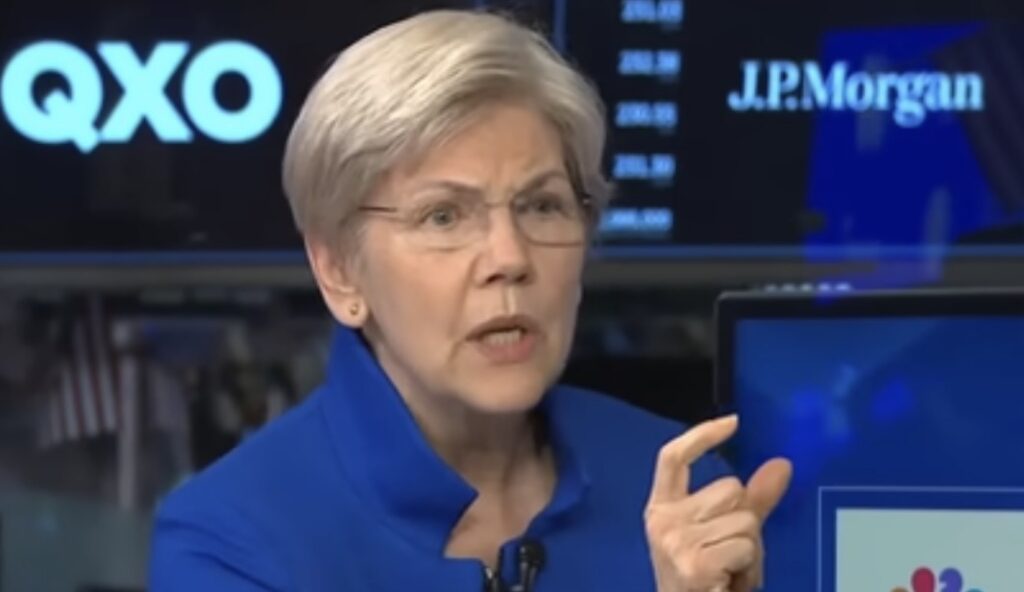
Minnesota Democratic Senate nominee Peggy Flanagan has revived a long-running controversy by pitching herself as the potential first Native American woman elected to the U.S. Senate. The claim immediately drew attention to the past statements of her supporter, Sen. Elizabeth Warren.
In a fundraising email sent through Democratic channels, Flanagan wrote, “In almost 250 years, there’s never been a Native woman serving in the US Senate. It’s time to change that.” She identified herself as Ojibwe and a member of the White Earth Nation, adding that her family belongs to the Wolf Clan.
Flanagan continued, “Right now, there are no Native voices in the US Senate. If I win this race, we can change that.” Warren had endorsed Flanagan during the primary, calling her a partner needed in the Senate.
The language quickly prompted conservative commentators to note the implication for Warren. Podcast host Michael Duncan reacted with “Wow, arrows fired.” Others pointed out that the statement effectively treats Warren’s earlier claims of Native American identity as invalid.
Warren previously listed herself as “American Indian” on a Texas bar registration card and was described as a minority in law school directories. In 2018 she released DNA test results showing between 0.1 percent and 1.6 percent Native American ancestry. By 2019 she clarified that she is not a person of color, not a tribal citizen, and should not have identified as American Indian.
President Trump repeatedly referred to Warren as “Pocahontas” during the years the controversy dominated headlines. The new fundraising language from Flanagan has brought those old debates back into the spotlight at a moment when Democrats are highlighting identity in key races.
Flanagan’s emphasis on tribal membership and historical firsts has left Warren’s earlier self-identification looking more isolated than ever. The episode illustrates how identity claims can create awkward political moments even among allies.
Join the Conversation
Keep Reading


Federal Agents Raid Ilhan Omar’s DC Home
Kamala Harris’ Husband Doesn’t Want Her to Run Again
See Kimberly Guilfoyle’s Head-Turning Looks

Obama Humiliated As Presidential Library Suffers Mass Exodus
Mamdani Erupts on ICE for Shooting Illegal Gangbanger
ICE Arrests Illegal Alien Campaigning in Swing State




Share your perspective and reply to other readers.
Free account required. You will stay on this page.